About
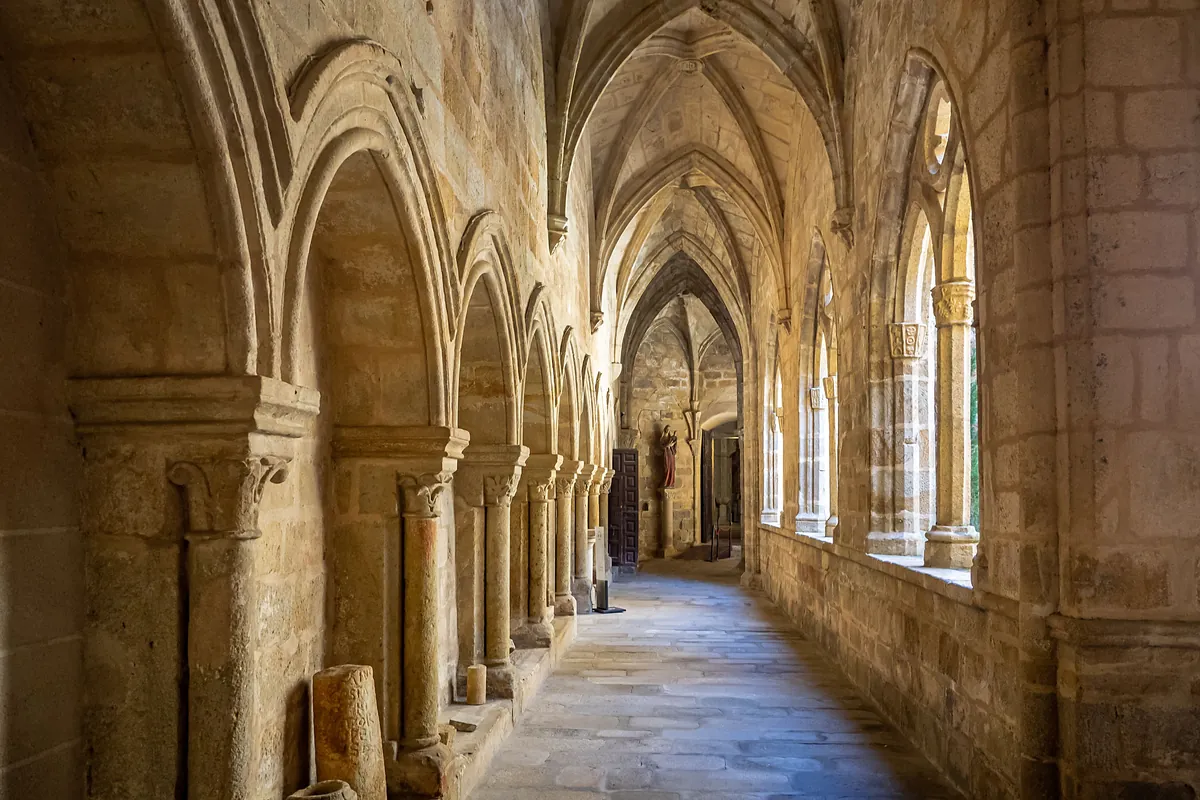
Creaky Floorboards is about the old buildings of Southern Europe where you can still spend the night: castles, convents and monasteries, paradores and pousadas, fortified farmhouses, tower houses and the odd palace that took in paying guests when the family money ran out. It covers Spain, Portugal, Italy, Greece and the south of France, and it is written for people who travel when everyone else has gone home. It is signed by Harriet Pell.
Why this exists
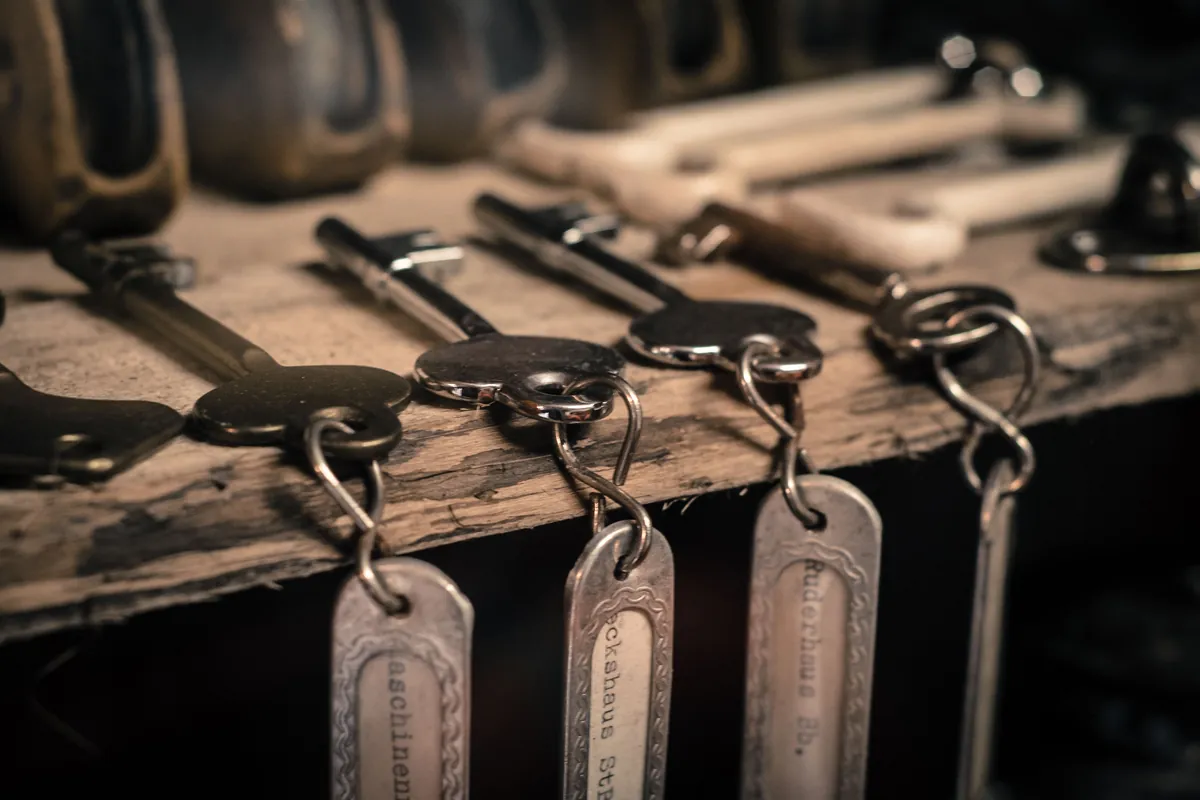
Most of what you read about sleeping in a castle is written by someone who would like you to book it. That is fine, as far as it goes, but it leaves out the things you actually want to know. Was the building really a convent, or does the brochure just like the word? Is the ghost on the third floor a local story with a few centuries behind it, or something the marketing department found useful in 2009? And will the place be open in February, or will you be standing in front of a locked gate with a suitcase and a strong opinion?
This site tries to answer those questions plainly, with the dates, the sources and a dry sense of humour about the rest.
Fact or folklore?
Old buildings collect stories the way old jumpers collect moths. I like the stories, and I tell them, but I keep them apart from the history. Every piece that involves a legend carries a small box, Fact or folklore?, with what the records show on one side and what people say on the other. When a story has no early written source, I say so. When a hotel tells it as fact, I still say so.
How a piece is made
- The building comes first. Every story starts from a place you can actually stay in today: who built it, what it was for, when it became a place to sleep, and what is left of the original.
- The sources. History comes from heritage registers, archives, official networks such as the Spanish paradores and the Portuguese pousadas, local councils and serious historians. Reservation sites and review pages are never used as sources.
- The practical side. Opening months, winter closures, how to get there without a car, which ferries still run in January: checked on official sites, with the month of the check written in the box ‘At the desk’ on every page.
- The update. Places close for restoration, change hands and reopen. Each page is checked again at least once a year, and the update date appears under the title.
What you will find here
- The story behind…: one building or one kind of building, the documented history, the legend kept separate, and what it is like today.
- Off-season in…: an honest guide to a region between November and March: what shuts, what stays open, and whether it is worth it.
- Places to sleep: short lists of historic places to stay, with the criteria stated up front.
- Is it worth it?: a verdict, argued, on a famous stay or a type of stay.
- Getting there: the last five miles from the station or the airport to the castle gate, by bus, taxi or on foot, with winter timetables, and a plain ‘car only’ when that is the truth.
- Legend, checked: one famous story at a time, traced back to the first place it was written down.
- News: reopenings, closures and changes that matter to people who like their bedrooms old.
What you won't find
No invented nights, no imaginary conversations with the night porter and no breathless adjectives. Opinions are labelled as opinions, and each one comes with a reason. Prices appear only when an official source gives them, with the date.
The floorboards, on the other hand, do creak. That part is true almost everywhere.